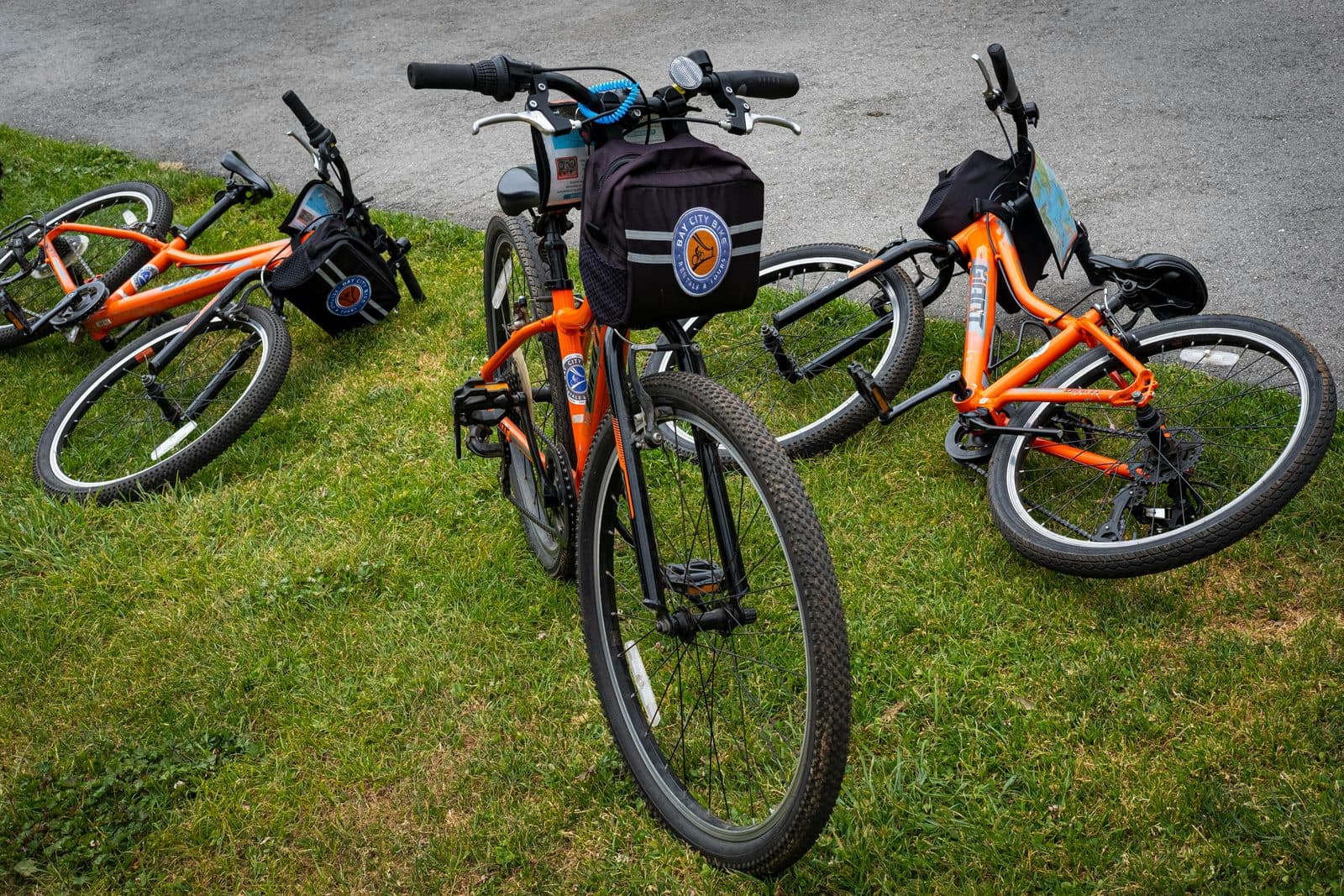
After spending hundreds of dollars on the worst bikes imaginable, the calculus finally changed.
I want to tell you about a specific Saturday morning in Hilton Head, South Carolina, because it is the morning I finally stopped lying to myself about beach bike rentals.
The bike they gave me had a seat that adjusted with a quick-release that wasn't quick or releasing. The front tire was inflated to roughly the pressure of a stress ball. The pedals made a sound that I can only describe as existential — a grinding, rhythmic groan that broadcast my presence from three blocks away. It was a seven-speed bike with approximately 1.5 functional speeds. And I paid $35 for a full day.
I rode four miles of boardwalk on that bike. It took forty-five minutes. When I returned it, the man at the rental shop asked if I had a good time. I said yes, because what else do you say.
The Economics I Was Ignoring
I had been renting beach bikes for years before Hilton Head. A few times a year, on coastal trips, I'd show up at a rental shop, pay $25–$50 for a half or full day, ride something in various states of disrepair, and consider it part of the travel experience.
Here's the math I was refusing to do:
| Scenario | Cost |
|---|---|
| 3 beach trips per year, $40/day rental each | $120/year |
| Over 5 years | $600 total |
| Over 10 years | $1,200 total |
| A quality beach cruiser e-bike (purchase price) | $1,500–$3,000 |
| Annual maintenance on owned e-bike | $50–$100/year |
The break-even on a $2,000 e-bike versus $120/year in rentals is roughly 16–17 years, which sounds unfavorable until you factor in what you get in exchange:
- A bike that fits you, tuned to your preferences, with your saddle height dialed in
- Access to your bike at home, not just on vacation
- Ability to ride your own neighborhood, local trails, and commutes
- The actual experience of a well-maintained, modern e-bike rather than a rental fleet bike that's been ridden by 800 strangers
Once I framed it that way, the 'beach rental vs. own a bike' question stopped being a close call.
What Beach Rental Bikes Are (And What They Are Not)
I want to be fair to beach rental shops. They serve a real purpose. If you visit a beach once every three years, a rental is the correct choice. If you have no space to transport or store a bike, a rental is the correct choice.
But for anyone who goes to the coast more than once a year, it's worth understanding what you're actually renting.
What Rental Beach Bikes Are
- Inexpensive to operate and replace at scale — the fleet economics favor buying cheap bikes in bulk
- Maintained to a 'safe to rent, not ideal to ride' standard — brakes work, tires hold air, that's the bar
- One-size-fits-most — your fit is approximate, never optimal
- Non-electric in most mid-market rental fleets — which means you're doing all the work on terrain designed to drain you
What Rental Beach Bikes Are Not
- Tuned, fitted, or optimized for anyone in particular
- Genuinely enjoyable to ride at any real pace
- Available when you want them — peak season weekend availability is unpredictable
- E-bikes (in most cases) — and when they are, the electric rental surcharge often runs $65–$100/day
The E-Bike Rental Calculation Is Even More Lopsided
When I started looking into e-bike rentals specifically, the numbers shifted dramatically. Most beach towns that offer e-bike rentals charge between $50 and $100 per day. Some premium resort areas charge $120+.
At $75/day for an e-bike rental, you break even on a $2,000 e-bike purchase in just 27 rental days. That's three trips per year over nine years — or two trips per year over thirteen years. If you rent more than three e-bike days per year, buying your own bike starts paying off within a decade.
And again: that calculation doesn't factor in the value of having the bike at home, the improvement in ride quality, or the ability to use it for commuting, local recreation, and everything else.
What I Actually Bought — And What I Learned
After Hilton Head, I spent about three months researching before pulling the trigger. I knew I wanted a fat-tire beach cruiser e-bike because I ride on a mix of boardwalk, hardpack sand, and the occasional gravel beach access path. I knew I wanted a step-through frame because I'm mounting and dismounting frequently. And I learned — through a lot of reading — that voltage matters more than I expected.
The difference between a 36V and 52V beach cruiser isn't theoretical on coastal terrain. Headwinds, soft sand, and the rolling resistance of fat tires at lower pressures all drain lower-voltage batteries noticeably faster. I decided the 52V premium was worth paying.
I ended up with a Murf Alpha ST. A few things I've noticed in the months since:
- It fits me. This sounds obvious, but after years of rental bikes, having a bike where the saddle is at exactly my height and the handlebars are where I expect them is a revelation.
- I ride it at home. I live 40 minutes from the coast. I also live three miles from a trail system I'd been ignoring for years. The bike made that trail accessible in a way the rental shop never could.
- I go to the beach differently. I park further away on purpose and ride the last two miles. I explore blocks I used to drive past. I stay later because leaving is easy.
- The 52V battery is the right call. On a long afternoon ride with headwinds on the return leg, I've never felt the power sag that I'd read about with lower-voltage systems.
The Transport Question
The most common objection I hear from people considering buying instead of renting is transport — how do you get the bike to coastal destinations?
A few options I've used:
- Bike rack on the car: The most common solution. Hitch-mounted racks handle e-bike weights easily. Roof racks are trickier due to weight but workable. Cost: $150–$400 for a quality hitch rack.
- Folding e-bikes: Some manufacturers offer folding designs that fit in a car trunk or SUV cargo area. Weight and performance compromises apply, but for road trips, the convenience is significant.
- Bike storage at a coastal property: If you rent vacation homes or have family with coastal properties, storing a bike there seasonally is a real option.
- Bike shipping: Services like BikeFlights and ShipBikes offer surprisingly affordable door-to-door bike shipping ($60–$100 each way for a boxed e-bike). For extended coastal stays, shipping your bike ahead is viable.
The One Thing I'd Tell My Pre-Hilton Head Self
Stop renting. Not because beach rental shops are bad — some of them are charming and the experience is fine. Stop renting because every time you do, you're paying for an experience that is structurally inferior to what owning your own bike provides, and every year of renting is a year of that money not going toward something that actually belongs to you.
The beach deserves better than a $30/day bike with grinding pedals and a seat that won't lock. And so do you.
Where to Start: The Murf Electric Bikes lineup is the place we consistently send people who are making the switch from rentals. The Alpha ST and the Gigi are the most popular first-time purchase bikes — both offer 52V systems, fat tires, and a genuine beach cruiser aesthetic that actually makes owning the bike a pleasure rather than just a utility.